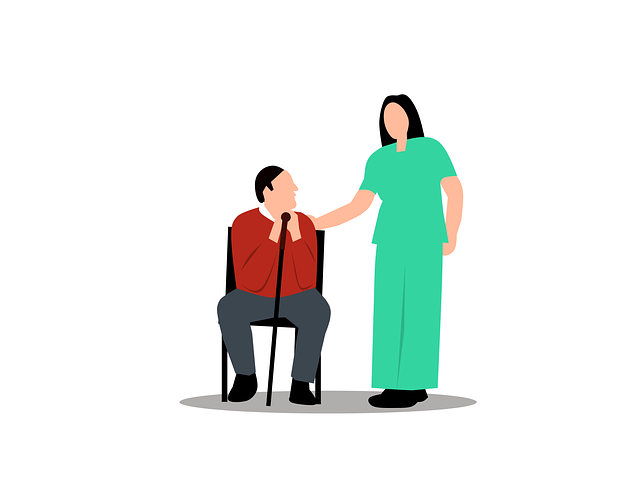
Nursing Home Sexual Assault Lawyer California: A Comprehensive Guide
Introduction
In the intricate web of legal services, specialized attorneys play pivotal roles in addressing unique challenges within specific sectors. The focus of this article is on the critical and often overlooked area of nursing home sexual assault law in California, USA. As we delve into this topic, readers will gain valuable insights into the intricacies of protecting residents' rights, ensuring accountability, and advocating for justice within the elderly care system. This comprehensive guide aims to demystify a complex legal field, highlighting its importance, key components, and potential impact on vulnerable populations.
Understanding Nursing Home Sexual Assault Lawyer California
Definition and Core Components
A nursing home sexual assault lawyer in California is a legal professional specialized in handling cases involving sexual misconduct or assault within long-term care facilities, primarily nursing homes. This specialized area of law encompasses various aspects:
-
Legal Advocacy: These lawyers advocate for the rights of nursing home residents who have been victims of sexual abuse or assault. They ensure that the resident's voice is heard and their legal rights are protected.
-
Criminal Prosecution: They play a crucial role in criminal cases, assisting law enforcement in investigating and prosecuting perpetrators. This involves gathering evidence, interviewing witnesses, and collaborating with prosecutors to seek justice.
-
Civil Litigation: Nursing home sexual assault lawyers also handle civil lawsuits on behalf of victims. They pursue compensation for physical injuries, emotional distress, and other damages caused by the assault.
-
Policy Reform: A significant aspect is advocating for policy changes and legal reforms to strengthen nursing home regulations and prevent future incidents.
Historical Context and Significance
The concept of specialized nursing home sexual assault law emerged as a response to growing concerns about elder abuse and sexual misconduct in long-term care settings. Over the years, several high-profile cases brought attention to the vulnerabilities of elderly residents, leading to increased public awareness and legislative action. California, known for its progressive legal system, has been at the forefront of establishing robust legal frameworks to protect nursing home residents.
The significance lies in the vulnerability of this population, often unable to advocate for themselves due to age, cognitive impairments, or physical limitations. Specialized lawyers ensure that their rights are upheld and that perpetrators face consequences for their actions. This legal niche is essential in holding nursing homes accountable, improving care standards, and fostering a safer environment for elderly residents.
Global Impact and Trends
International Influence
The concept of nursing home sexual assault law has spread globally, influenced by California's leadership in elder abuse prevention. Many countries have adopted similar legal strategies to address this critical issue. For instance:
-
Europe: Several European nations, including the UK and Germany, have implemented specialized units within their legal systems to handle nursing home abuse cases, drawing inspiration from California's model.
-
Asia: Countries like Japan and South Korea have developed guidelines and laws inspired by California's approach, focusing on protecting vulnerable elderly residents.
Key Trends Shaping the Trajectory
The global trend towards strengthening elder abuse legislation and improving care standards has had a profound impact:
-
Increased Awareness: Growing public awareness has led to more reporting of incidents, encouraging legal professionals to specialize in this area.
-
Stricter Regulations: Many countries have enacted stricter regulations for nursing homes, including mandatory reporting of abuse and improved security measures.
-
Technological Integration: The integration of technology, such as surveillance systems and digital record-keeping, has enhanced evidence collection and monitoring within nursing homes.
Economic Considerations
Market Dynamics and Investment Patterns
The demand for specialized legal services in this sector has influenced market dynamics:
-
Specialized Firms: The rise of law firms focusing exclusively on elder abuse cases has met the growing need for expert representation. These firms attract investors seeking socially responsible investments.
-
Government Funding: Increased government funding for legal aid and elder care services supports specialized legal practices, ensuring access to justice for victims.
-
Cost Analysis: Nursing home sexual assault cases often involve significant legal fees, impacting nursing homes' operational costs. This has led to some facilities implementing preventive measures to reduce potential legal liabilities.
Role in Economic Systems
The economic implications are far-reaching:
-
Economic Burden: Sexual assault cases can result in substantial financial burdens on both victims and the healthcare system, affecting long-term care budgets.
-
Reputational Risk: Institutions found guilty of sexual abuse face severe reputational damage, impacting their ability to attract residents and investors.
-
Prevention as a Cost-Saver: Investing in prevention strategies, such as staff training and security measures, can reduce the likelihood of incidents, ultimately saving economic resources.
Technological Advancements
Impact on Nursing Home Sexual Assault Law
Technology has revolutionized this legal field:
-
Surveillance Systems: Advanced surveillance technology enables continuous monitoring, providing real-time data for evidence collection and incident prevention.
-
Digital Record-Keeping: Digital systems streamline record-keeping, making it easier to access and analyze resident information, witness statements, and medical records.
-
Forensic Tools: Technological advancements in forensic analysis have improved the ability to gather and preserve digital evidence, enhancing prosecution cases.
Future Potential
The future holds exciting possibilities:
-
AI-Assisted Investigation: Artificial Intelligence (AI) can analyze vast amounts of data, identifying patterns and potential risks, thereby aiding in proactive incident prevention.
-
Remote Monitoring: Wearable devices and remote monitoring systems could provide an additional layer of safety for vulnerable residents, allowing for swift intervention if needed.
-
Enhanced Cybersecurity: As nursing homes collect more digital data, cybersecurity measures become crucial to protect resident privacy and prevent data breaches.
Policy and Regulation
Key Policies and Legislative Frameworks
The legal landscape for nursing home sexual assault cases is shaped by robust policies and regulations:
-
California Law (2014): The California Nursing Home Sexual Assault Prevention Act established strict requirements for nursing homes, including staff training, reporting mechanisms, and security measures.
-
Federal Regulations: The U.S. Department of Health and Human Services enforces the Civil Rights of Institutioned Persons Act (CRIPA), which prohibits abuse and neglect in long-term care facilities.
-
International Conventions: The United Nations' Convention on the Rights of Persons with Disabilities (CRPD) provides a global framework, influencing national policies to protect the rights of elderly individuals.
Influence on Development
These policies have far-reaching effects:
-
Standardization: National and international regulations set standards for nursing home care, ensuring consistency across regions.
-
Accountability: Strict laws hold institutions and staff accountable for any instances of sexual abuse or assault.
-
Prevention Strategies: Comprehensive policies encourage the adoption of preventive measures, creating safer environments for residents.
Challenges and Criticisms
Overcoming Obstacles
Despite its progress, this legal field faces several challenges:
-
Victim Hesitancy: Elderly victims may be reluctant to come forward due to shame, fear, or cognitive impairments, hindering the pursuit of justice.
-
Complex Proof: Establishing guilt in sexual assault cases often requires substantial evidence, which can be challenging to gather in long-term care settings.
-
Resource Constraints: Specialized legal practices may face resource limitations, impacting their ability to take on complex and time-consuming cases.
Proposed Solutions
Actionable strategies to overcome these issues include:
-
Sensitization and Education: Raising awareness among elderly residents and their families can encourage reporting and reduce victim hesitancy.
-
Enhanced Evidence Collection: Utilizing advanced technology and forensic techniques improves the quality of evidence, strengthening cases.
-
Public-Private Partnerships: Collaborating with legal aid organizations and private law firms can provide additional resources for complex cases.
Case Studies: Successful Applications
In-Depth Examples
The following case studies illustrate successful applications of nursing home sexual assault law:
Case Study 1: "The Silver Care Scandal"
In a major California nursing home scandal, a former staff member was convicted of multiple counts of sexual assault against residents. The lawyer's comprehensive investigation involved reviewing security footage, interviewing witnesses, and analyzing medical records. This led to the closure of the facility and significant policy changes statewide.
Case Study 2: "Justice for Mrs. Parker"
A 75-year-old resident, Mrs. Parker, alleged sexual harassment by a nurse. The lawyer's strategic approach included deposing staff, obtaining medical records, and negotiating a substantial settlement. This case resulted in the nurse's termination and improved training programs for nursing home staff.
Case Study 3: "A National Game Changer"
A class-action lawsuit against a national nursing home chain led to a groundbreaking settlement. The lawyer's efforts focused on exposing systemic issues, resulting in nationwide policy reforms and improved care standards for elderly residents.
Future Prospects
Growth Areas and Emerging Trends
The field is poised for significant growth and evolution:
-
Specialization Deepens: As the demand grows, specialized lawyers will continue to refine their expertise, offering more nuanced legal services.
-
Tech Integration: Technology will play an increasingly integral role in evidence collection, monitoring, and risk assessment.
-
Global Collaboration: International cooperation on policy reforms and best practices will shape global standards for elderly care.
Strategic Considerations
To capitalize on these trends:
-
Continuous Education: Lawyers must stay updated with technological advancements, legal reforms, and emerging research in elder abuse prevention.
-
Multidisciplinary Approach: Collaboration with healthcare professionals, social workers, and law enforcement enhances the effectiveness of sexual assault prevention strategies.
-
Community Engagement: Engaging local communities and advocate groups can increase awareness and support for nursing home residents' rights.
Conclusion
Nursing home sexual assault lawyer California represents a critical component of the legal system dedicated to protecting vulnerable elderly individuals. Through specialized knowledge, robust policies, and technological innovations, this field has made significant strides in ensuring accountability and justice. As the global community continues to prioritize elder care, the role of these lawyers will only become more pivotal, shaping a safer and more respectful future for nursing home residents worldwide.
FAQ Section
Q: What is the primary role of a nursing home sexual assault lawyer?
A: Their primary role is to advocate for the rights of nursing home residents who have been victims of sexual abuse or assault. They provide legal representation, gather evidence, and collaborate with prosecutors to seek justice while ensuring resident safety and improved care standards.
Q: Are there specific laws governing nursing home sexual assault cases in California?
A: Yes, California has comprehensive legislation, including the Nursing Home Sexual Assault Prevention Act (2014), which sets strict requirements for nursing homes regarding staff training, reporting, and security to prevent such incidents.
Q: How can technology assist in these legal cases?
A: Technology plays a pivotal role through advanced surveillance systems for evidence collection, digital record-keeping for efficient data management, and forensic tools for enhanced digital evidence analysis, ultimately strengthening prosecution cases.
Q: What challenges do nursing home sexual assault lawyers face?
A: Challenges include victim hesitancy to come forward, complex proof requirements, and resource constraints. Overcoming these obstacles involves sensitization campaigns, advanced evidence collection techniques, and public-private partnerships for stronger legal support.
Q: Can you provide an example of a successful case study?
A: Absolutely! The "Silver Care Scandal" is a notable example where strategic investigation, including security footage and witness interviews, led to significant policy changes and the closure of a nursing home facing sexual assault allegations.
November 12, 2025
nursing home sexual assault lawyer California Expert
Elder abuse, especially sexual assault in California's nursing homes, is a growing concern. The state has implemented stringent laws and regulations, empowering specialized nursing home sexual assault lawyers, attorneys, and law firms to protect elders. These experts navigate legal complexities.......
Read more →
November 10, 2025
nursing home sexual assault lawyer California Expert
Nursing home sexual assault lawyers California address a pressing issue, offering critical guidance and representation for victims. With stringent state regulations in place, these specialists navigate complex legal procedures, ensure staff training, and advocate for compensation. They collaborate w.......
Read more →
November 6, 2025
nursing home sexual assault lawyer California Expert
Nursing home sexual assault cases in California require specialized legal expertise due to unique vulnerabilities of residents and complex laws. Nursing home sexual assault lawyers California, with their deep knowledge of state laws on consent, elder abuse, and institutional liability, offer expert.......
Read more →
November 4, 2025
nursing home sexual assault lawyer California Expert
Recognizing and addressing sexual assault in California's long-term care facilities is vital for resident safety, especially the elderly in nursing homes. Specialized nursing home sexual assault lawyers, attorneys, and law firms hold facilities accountable, advocate for victims' rights, an.......
Read more →